

People who live with dementia have to make many difficult decisions to protect themselves and their futures. One of the most common decisions is arranging a lasting power of attorney (LPA) to protect important personal affairs, including healthcare and finances, when they no longer have the mental capacity to do so.
A person is deemed to have lost mental capacity if they can no longer understand, retain and effectively utilise the information needed to make significant life decisions. Most people with dementia will reach this point, so having an LPA in place allows them to state their preferences for future physical and financial decisions that will be handled by an attorney.
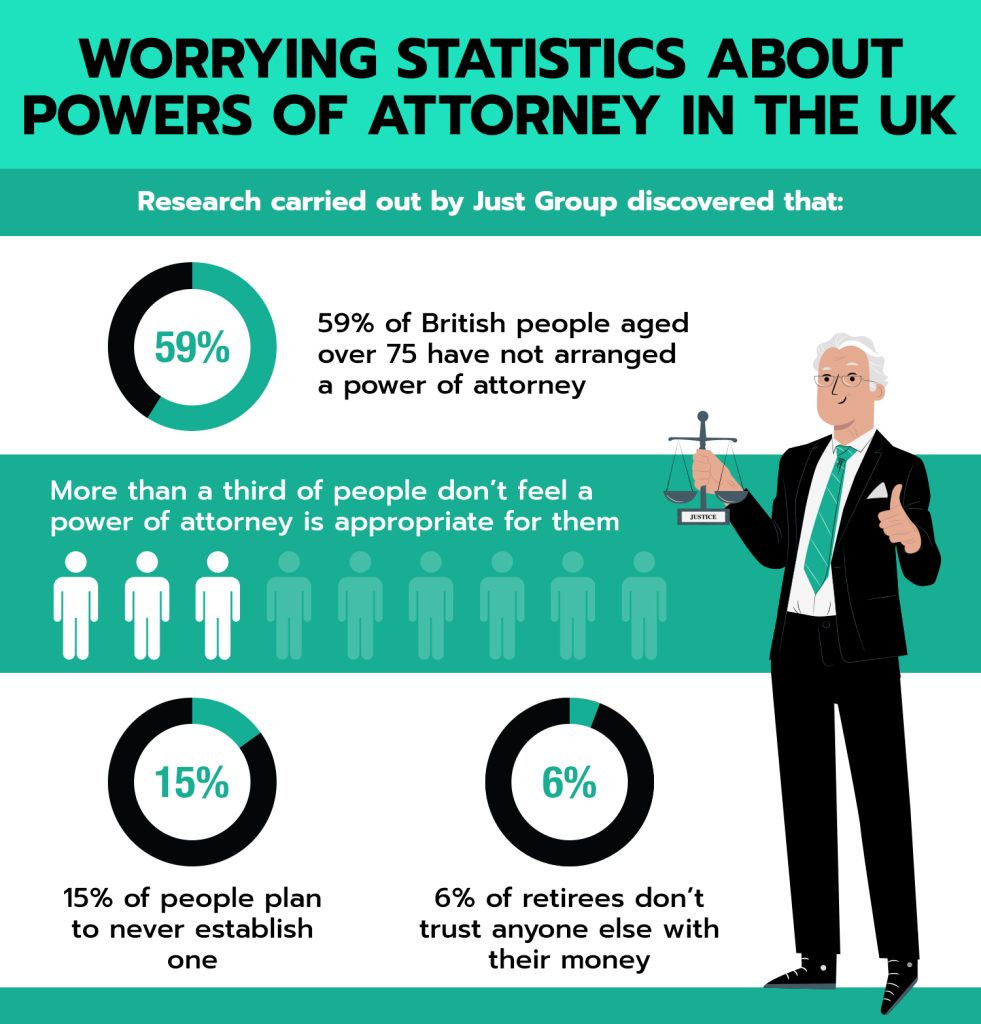
It’s crucial that the LPA is established before the individual loses mental capacity to allow them ample time to arrange everything. Law firm specialists – like James Scotney, Town and Country Law director – emphasise the importance of arranging a power of attorney in case of mental decline, but it’s particularly imperative for those living with dementia.
There are several different types of power of attorney, which you can learn more about in the embedded PDF, but an LPA is the best choice for people living with dementia. It gives them complete transparency and control when they’re still mentally able to make decisions about their lives and care, protecting their best interests in accordance with the 2005 Mental Capacity Act.
LPAs are designed to protect people with dementia from any potential future exploitation. They take into consideration:
- Whether the individual will regain mental capacity at a later date
- What the individual wants in the present
- Any relevant information from third parties
- All the things that the individual themselves deems important
- Any special circumstances relating to life-sustaining treatment
Dementia is progressive, so it becomes more difficult to make decisions over time. An LPA is essential because it covers all of the above criteria and allows the individual to appoint a trusted third party as their attorney. Neglecting to arrange a lasting power of attorney can make life very difficult when there is nobody who can legally make important life decisions for someone who is mentally incapacitated.
A lasting power of attorney provides peace of mind for family, friends and, most importantly, the person living with dementia. The individual remains in control of how their wellbeing and estate are managed, and the attorney will not take over until the time is right. For people with dementia, this safeguards their future and ensures that their voice is heard.