

All adults should have a will stipulating their wishes for their money, property and assets in the event of their death, and this will must be formally witnessed and signed to ensure legal validity. The process is straightforward and usually inexpensive; however, many people run into issues if they choose the wrong type of will. Not only can this compromise their outlined wishes, it may also make things more difficult for their grieving loved ones.
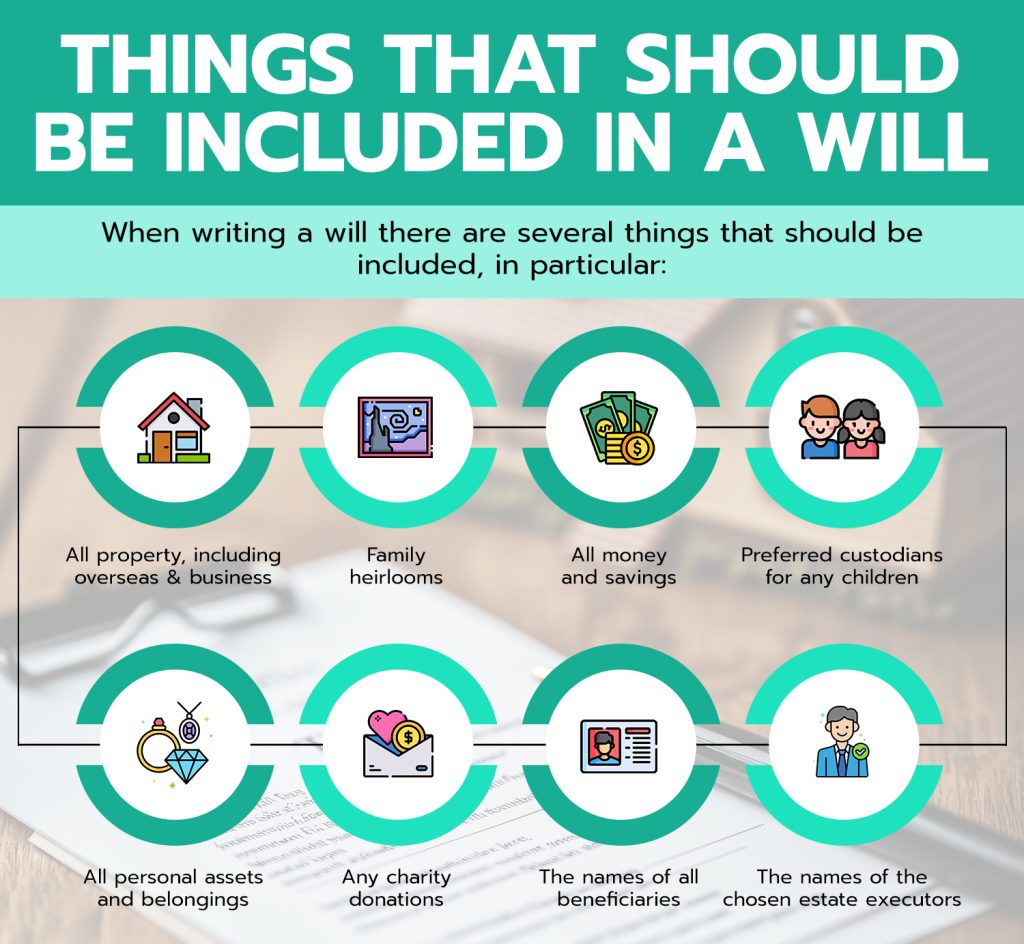
To prevent this from happening, it’s essential to choose a will that encompasses the current state of an individual’s estate and any assets they wish to bequeath. Many people consult experts in estate planning, like James Scotney, Town and Country Law director, to ensure that their wills are accurate, valid and watertight.
For more information about drawing up a will, see the embedded PDF.
The first step in the process is understanding the different types of wills and which is most appropriate.
Single wills are the most common. They specify what the individual wants to happen to their estate, offering optimal protection for those who aren’t married and want to bequeath assets to various beneficiaries. Mirror wills, on the other hand, are perfect for married couples who have separate wills containing very similar contents. These offer plenty of advantages for fairly distributing shared savings, belongings and property, as well as assigning guardians for any children.
Trust wills are slightly different because they’re designed to protect assets, with trustees assigned to manage them on behalf of beneficiaries. Property trust wills shield the owner’s share of a property from financial depreciation, allowing them to maintain control. Conversely, discretionary trust wills give the trustee discretion to decide how assets in the trust are divided. Trust wills have the advantage of ensuring that assets are protected and equitably distributed.
Living wills are also known as advance decisions, drawn up by a vulnerable person to outline their wishes relating to potential future medical care. They particularly apply to situations when the individual may not be able to advocate for themselves but wants their decisions honoured. A third party is given lasting power of attorney to act on the individual’s behalf.
Choosing the right type of will gives an individual complete control of their estate, reduces the risk of their wishes being contested and makes fair provision for all beneficiaries. Luckily, there are several expert legal firms, like Town & Country Law, willing to support individuals through this decision. Whichever type of will they choose, it will protect them from dying intestate.