

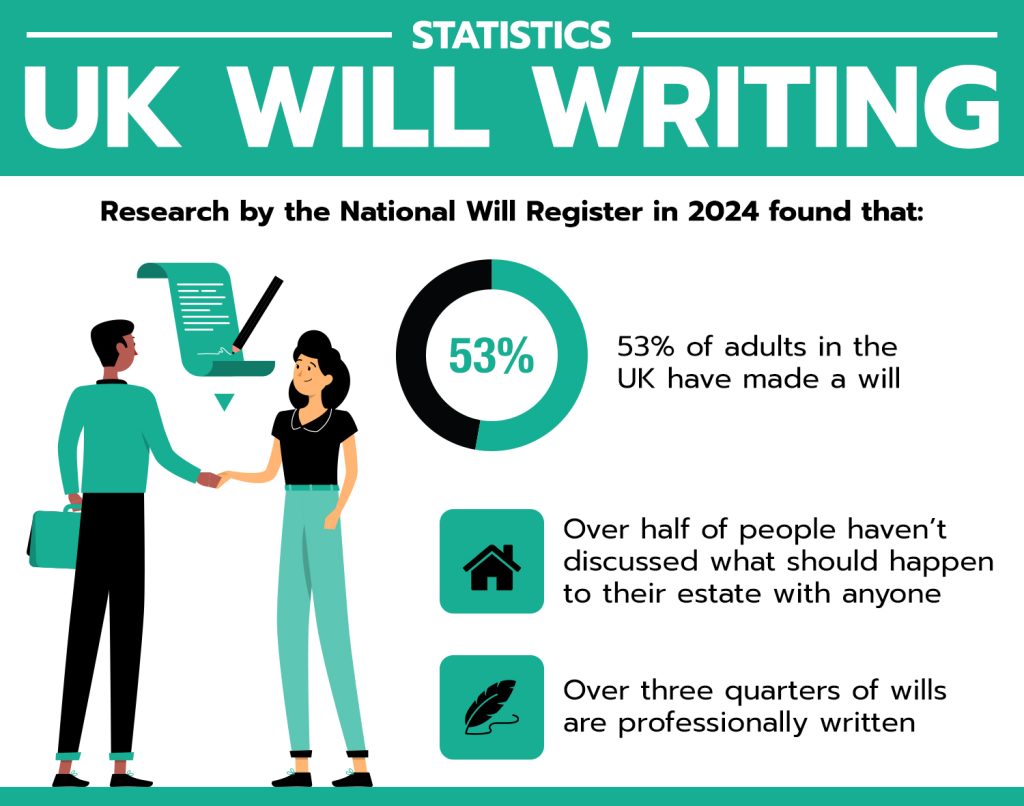
A will is one of the most important legal documents an individual can write, but many adults neglect to set one up because they don’t feel it is necessary or they find it too upsetting. However, without making provision for the future of an estate there is no legal protection for assets, nor personal influence over how things are divided. People of all ages and relationship statuses benefit from having a will.
In a nutshell, a will determines which recipients will be bequeathed different parts of a testator’s estate, protecting all assets as they are passed down. A named executor will ensure that the deceased’s wishes are honoured, with every beneficiary receiving their share. Luckily, there are many industry specialists – like James Scotney, Town and Country Law director – willing to help people draw up their last wills and testaments as soon as they’re ready.
Becoming ready to draw up such a significant legal document requires the individual to fully understand its importance. Writing a will ensures that:
- All named beneficiaries receive stated assets
- Unmarried partners may legally inherit from each other
- Inheritance tax may be reduced
- Underage children are looked after by named caregivers
- Personal wishes are honoured by law
There are several different types of will that suit different circumstances. To learn more about them, see the embedded PDF.
When circumstances change, it may become necessary to update a will to avoid future disputes. This is particularly important when accounting for relationship changes, the birth of children and significant financial changes to an estate, such as the acquisition of new property.
However, an individual cannot simply write changes into their will. Once a will has been signed and recognised in the UK it may not be amended, and the individual must sign a codicil. For major alterations, it’s recommended to write a whole new will. There is no limit to the number of codicils that can be added, so it’s best to review a will every five years to ensure it best protects the named assets and individuals.
People without wills die intestate, which means that the law dictates who inherits their assets. The will must be valid under current legislation, with two witnesses present to sign it. If a will is drawn up but not validated, it is not protected from intestacy. For adults in the UK, there are plenty of firms – like Town & Country Law – at hand to offer services to individuals writing, reviewing and amending their wills. And with approximately 70% of people not having a will, those services are incredibly important.